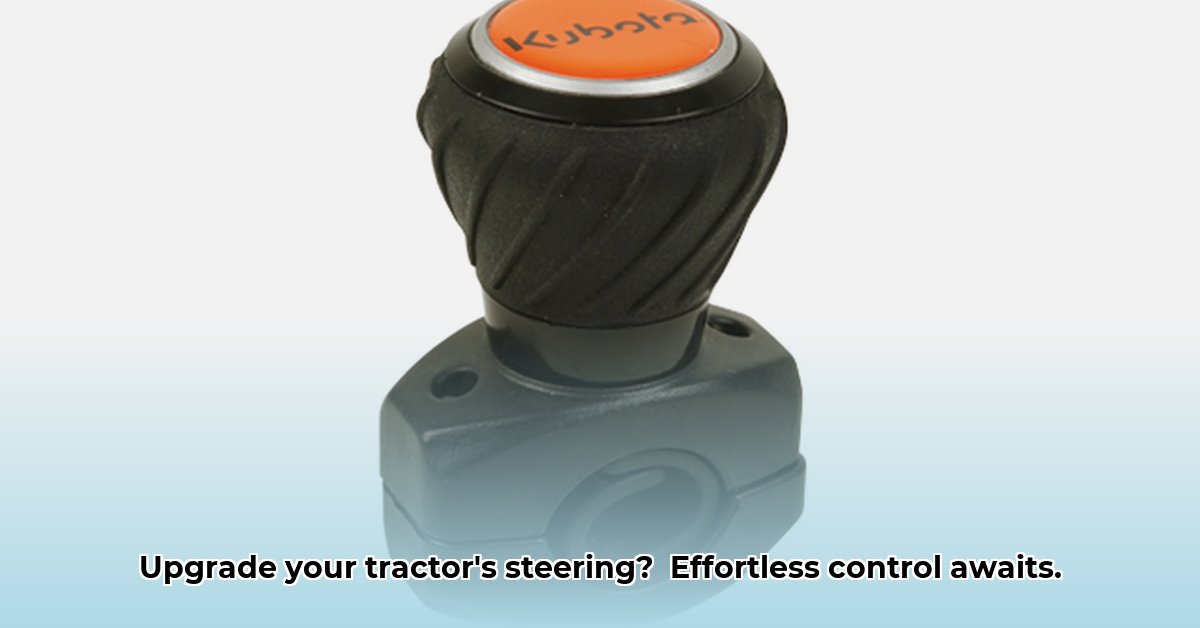
Tractor Steering Wheel Knobs: Enhancing Comfort and Efficiency
Tractor driving demands prolonged periods of exertion, leading to operator fatigue and potential musculoskeletal issues. Steering wheel spinner knobs offer a simple yet potentially impactful solution, enhancing grip and reducing strain. While their widespread adoption suggests benefits, a critical research gap exists regarding their quantitative impact on key performance indicators (KPIs). This article analyzes the current landscape, identifies research needs, and proposes actionable steps for improving the ergonomic, safety, and economic aspects of tractor operation with steering wheel spinner knobs. For more in-depth information, check out this helpful resource.
Market Analysis: A Growing Demand
The market for tractor steering wheel spinner knobs is experiencing significant growth, with numerous brands and models available across online and physical retailers. This surge in popularity highlights a perceived need for improved operator comfort and control, particularly among users of older tractors lacking power steering assistance. However, the lack of standardized testing and data on performance metrics hinders informed decision-making processes.
The Urgent Need for Research: Unanswered Questions
A significant limitation in understanding the true impact of steering wheel spinner knobs lies in the absence of rigorous quantitative research. While anecdotal evidence suggests benefits in operator comfort and reduced fatigue, no comprehensive studies currently exist to quantify the effects on fuel efficiency, accident rates, equipment longevity, or long-term operator health. This lack of data represents a crucial gap in evidence-based agricultural technology assessment. Are these improvements real, or merely perceived? This question demands immediate attention.
Actionable Steps: A Collaborative Approach
Addressing this research gap requires concerted efforts from multiple stakeholders. The following actionable steps outline both short-term and long-term strategies for enhancing our understanding and optimizing the use of steering wheel spinner knobs.
Short-Term Actions (Within 1 Year):
- Farmer Feedback Surveys: Implement simple surveys to gather qualitative data regarding operator experiences with steering wheel knobs, focusing on comfort, ease of use, and perceived impact on workload. This initial data will provide valuable insights from the field.
- Manufacturer Standard Integration: Encourage manufacturers to incorporate high-quality steering wheel knobs as standard equipment on new tractors, offering a readily available solution for all farmers. This approach ensures consistency and accessibility.
- Pilot Research Studies: Initiate small-scale research studies focusing on the immediate impact of spinner knobs on operator posture, grip strength, and subjective comfort levels. This will provide a foundation for larger-scale investigations.
Long-Term Actions (3-5 Years):
- Large-Scale Field Trials: Conduct extensive field trials comparing tractor operation with and without steering wheel spinner knobs across various tractor models and operating conditions, measuring fuel efficiency, work hours, and operator fatigue objectively.
- Ergonomic Design Optimization: Invest in the design and development of various spinner knob designs optimized for different tractor models, hand sizes, and operator preferences to maximize the benefits while mitigating potential risks.
- Material Science Innovation: Explore the use of sustainable and high-performance materials (bio-based plastics, for example) for spinner knob construction to improve durability and reduce environmental impact. A lifecycle analysis should accompany any future material selection.
- Standardized Testing Protocols: Collaborate to establish industry-wide standardized testing protocols for evaluating the performance, safety, and ergonomics of steering wheel spinner knobs. This ensures consistency and credibility of future research and product claims.
Risk Assessment: Identifying and Mitigating Potential Hazards
While offering potential benefits, the use of steering wheel spinner knobs introduces certain risks that warrant careful consideration and mitigation.
| Risk Factor | Likelihood (1-5) | Impact (1-5) | Mitigation Strategy |
|---|---|---|---|
| Knob Failure | 3 | 4 | Employ robust materials and rigorous quality control; establish regular inspection schedules. |
| Increased Steering Wear | 2 | 3 | Design for optimal leverage and minimize stress on steering components; educate users on proper use. |
| Lack of Standardized Tests | 4 | 5 | Develop and implement industry-wide standardized testing protocols for performance and safety. |
| Poor Ergonomic Fit | 3 | 2 | Offer a wide array of knob sizes and designs to accommodate diverse hand sizes and preferences. |
Regulatory Landscape: Future Considerations
The current regulatory landscape lacks specific standards for tractor steering wheel spinner knobs. However, considering potential safety and ergonomic concerns, future regulations may arise, necessitating standardized testing procedures and performance benchmarks. Proactive collaboration among manufacturers, researchers, and regulatory bodies is essential to ensure safe and effective product development and implementation.
Conclusion: A Path to Enhanced Agricultural Productivity
Steering wheel spinner knobs represent a simple yet promising technology for improving tractor operator ergonomics and potentially enhancing overall efficiency. However, the lack of comprehensive data underscores the urgent need for dedicated research. Through collaborative efforts between farmers, manufacturers, researchers, and regulatory bodies, we can transform this potentially transformative technology into a significant contributor to safer and more sustainable agricultural practices. The future of agricultural ergonomics hinges on bridging this research gap and establishing clear guidelines for best practice.